nmr laboratory

 doktorské studium
 bakalářské a magisterské studium
  Doktorské studium:
Cílem projektu je na úrovni atomárního rozlišení pomocí pokročilých 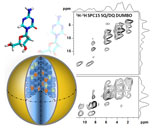 technik NMR spektroskopie pevného stavu a kvanotvých výpočtů popsat a
pochopit interakce, řídící mechanismy a dynamické procesy vzniku
specifických struktur, korelovaných strukturních defektů a
protokrystalitů na fázových rozhraních polymerem modifikovaných makro- a
mezoporézních anorganických nanočástic.
technik NMR spektroskopie pevného stavu a kvanotvých výpočtů popsat a
pochopit interakce, řídící mechanismy a dynamické procesy vzniku
specifických struktur, korelovaných strukturních defektů a
protokrystalitů na fázových rozhraních polymerem modifikovaných makro- a
mezoporézních anorganických nanočástic.
Doktorské studium:
Nosným motivem této práce je využití NMR spektroskopie pevného stavu pro identifikaci a strukturní analýzu farmaceuticky aktivních látek. Jde o studium polymorfie, solvatomorfie, rozlišení a identifikaci stechiometrických a nestechiometrických hydrátů, charakterizaci vodíkových vazeb. Integrální součástí projektu je porovnávání získaných NMR dat s práškovou rtg. difrakcí a případně i s rtg. difrakcí na monokrystalech. Tato práce je tedy cílena pro úzkou
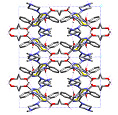 spolupráci s Ústavem chemie pevných látek při Vysoké škole chemicko-technologické v Praze. Ačkoli NMR spektroskopie pevného stavu není alternativní metodou difrakčních technik při určování úplné třídimenzionální struktury a uspořádání molekul v krystalických materiálech, poskytuje tato metoda významné krystalografické informace. Díky tomu se také stala významnou součástí charakterizace farmaceuticky aktivních substancí a od roku 1997 je doporučována i hlavním regulátorem trhu - FDA (Food and Drug Administration) a moderní farmaceutická společnosti jsou NMR spektrometry pevného stavu běžně vybaveny pro kontrolu kvality výroby a produktů. Jedním z podstatných cílů této práce je nalézt na molekulární úrovni vztahy mezi biologickou aktivitou a termodynamickou stabilitou dané substance a její krystalovou strukturou a segmentovou pohyblivostí. Bylo by naivní si představovat, že funkční skupiny a atomy jsou v krystalech nehybné. Opak je pravdou vše je pohybu.
Doktorské studium:
Katalyzátory na bázi zeolitů - krystalických alumosilkátových matric s třídemzionální strukturou mikropórů - představují nejvýznamnější a nejperspektivnější skupinu heterogenních katalyzátorů (např. petrochemie, zpracování metanu, využití biomasy, likvidace oxidů dusíku).
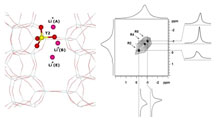 Pro jejich katalytické a sorpční vlastnosti (a vývoj nových katalyzátorů a procesů) je klíčové lokální uspořádání a lokalizace aktivních center v zeolitické matrici. NMR spektroskopie vysokého rozlišení v pevné fázi představuje velmi účinnou a perspektivní metodu analýzy těchto center. Práce bude zaměřena na analýzu lokálního uspořádání aktivních center v zeolitických matricích pomocí multinukleární MAS NMR spektroskopie (např. 27Al, 29Si, 23Na, 7Li, 133Cs) kdy 23Na, 7Li, 133Cs NMR experiment poskytuje informaci o koordinaci kationtu a 27Al a 29Si NMR o lokální struktuře zeolitu ve které se kationt nachází.
 Magisterské a bakalářské studium:
Katalyzátory na bázi zeolitů - krystalických alumosilkátových matric s třídemzionální strukturou mikropórů - představují nejvýznamnější a nejperspektivnější skupinu heterogenních katalyzátorů (např. petrochemie, zpracování metanu, využití biomasy).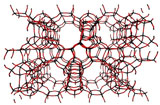 Pro jejich katalytické vlastnosti (a vývoj nových katalyzátorů a procesů) je klíčové lokální uspořádání a lokalizace aktivních center v zeolitické matrici. To závisí jak na začlenění atomů Al do skeletu zeolitu, tak na vzdálenostech mezi Al atomy. NMR spektroskopie vysokého rozlišení v pevné fázi představuje velmi účinnou a perspektivní metodu analýzy uspořádání Al v zeolitu. Práce bude zaměřena na analýzu lokálního uspořádání atomů hliníku a křemíku v zeolitických matricích pomocí 27Al a 29Si MAS NMR v kombinaci s Co(II) ionty jako próbou, charakterizovanými pomocí viditelné spektroskopie.